
How a Rear Loader Improves Waste Collection Efficiency
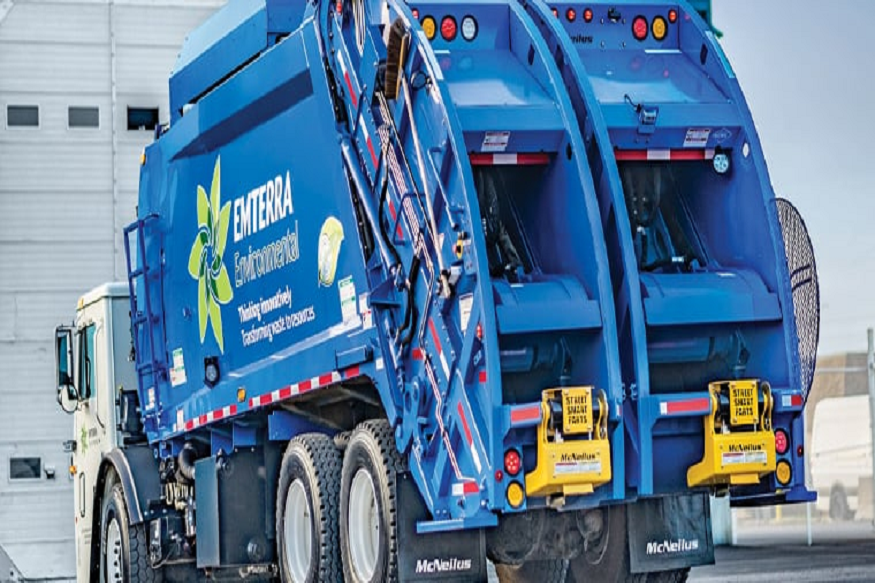
Waste management systems are under constant pressure to operate faster, reduce costs, and minimize environmental impact. One of the most reliable solutions for improving operational performance is the rear loader garbage truck. Designed for flexibility and strong compaction power, a rear loader plays a vital role in residential and light commercial waste collection routes.
In this article, we explore how a rear loader garbage truck improves waste collection efficiency and why many municipalities continue to rely on this dependable vehicle type.
1. Higher Compaction Means Fewer Trips
Efficiency in waste collection often comes down to compaction performance. A rear loader garbage truck typically offers a compaction ratio between 3:1 and 6:1. This means more waste fits into the truck body before disposal is required.
Fewer landfill trips lead to:
- Reduced fuel consumption
- Lower driver overtime costs
- Increased daily route coverage
- Less vehicle wear and tear
Modern manufacturers such as Atlantic Heavy Duty design reinforced compaction systems that maximize payload capacity without compromising durability.
2. Flexible Operation in Residential Areas
A major reason municipalities choose a rear loader is its adaptability. Unlike automated trucks that require standardized bins, rear loaders can handle:
- Bagged household waste
- Loose debris
- Bulky items
- Mixed recyclables
This flexibility improves route efficiency because crews do not need to skip non-standard waste. The rear loader allows collection in narrow streets, tight corners, and densely populated neighborhoods where larger automated trucks may struggle.
3. Faster Manual Loading with Assisted Hydraulics
Although rear loaders are often manually loaded, their hydraulic packer systems significantly speed up the process. The hopper receives waste quickly, and the packer blade compresses it efficiently into the body.
This streamlined loading cycle:
- Reduces idle time
- Speeds up each stop
- Keeps routes on schedule
- Minimizes worker fatigue
High-quality systems, like those offered by Atlantic Heavy Duty, focus on smooth hydraulic cycles and reliable packer mechanisms to ensure consistent performance throughout the workday.
4. Reduced Downtime Through Simple Design
Another way a rear loader improves waste collection efficiency is through its mechanical simplicity. Compared to fully automated side loaders, rear loaders have fewer complex robotic arms and electronic components.
Benefits of this simpler design include:
- Easier maintenance
- Lower repair costs
- Faster part replacement
- Reduced system failures
When trucks spend less time in the workshop, fleet productivity increases. Over time, this directly improves operational efficiency.
5. Improved Route Adaptability
Waste collection routes can change due to urban development, seasonal waste increases, or municipal policy adjustments. The rear loader garbage truck adapts easily to these variations.
For example:
- Increased waste during holidays
- Construction debris collection
- Temporary route expansions
- Mixed commercial and residential pickups
Because a rear loader does not depend solely on automated bin systems, it provides unmatched versatility in changing environments.
6. Optimized Payload Capacity
Efficiency is not only about speed but also about maximizing payload. A properly sized rear loader ensures the truck operates near its optimal weight capacity without exceeding limits.
Body size options typically range from:
- 10–15 cubic yards for small routes
- 16–20 cubic yards for medium-density areas
- 25+ cubic yards for large municipal operations
Manufacturers like Atlantic Heavy Duty engineer durable steel bodies to withstand high compaction pressure, ensuring trucks operate at full capacity safely.
7. Enhanced Worker Coordination
Rear loader trucks promote teamwork between drivers and sanitation workers. Clear communication and structured loading procedures often result in faster, smoother collection cycles.
When crews are trained properly:
- Stops become quicker
- Errors decrease
- Safety improves
- Daily targets are met more consistently
Operational discipline combined with efficient truck design significantly boosts productivity.
8. Lower Initial Investment, Higher ROI
Compared to automated collection vehicles, rear loaders generally have a lower upfront cost. This makes them an attractive option for municipalities and private waste contractors seeking strong return on investment.
Lower capital expenditure allows fleet managers to:
- Expand fleet size
- Replace aging trucks soone
- Allocate budget for maintenance
- Invest in route optimization software
Over time, the cost-effectiveness of a rear loader improves overall waste management efficiency.
9. Environmental Efficiency
Efficiency today also means sustainability. Modern rear loader garbage trucks are built with:
- Fuel-efficient engines
- Improved hydraulic systems
- Reduced leakage designs
- Better emission control technologies
By reducing fuel consumption and minimizing unnecessary landfill trips, a rear loader contributes to environmentally responsible waste management practices.
10. Long-Term Durability
A durable truck reduces operational interruptions. Rear loaders constructed with reinforced floors, heavy-duty sidewalls, and corrosion-resistant materials last longer under harsh working conditions.
Brands like Atlantic Heavy Duty focus on structural integrity, ensuring their rear loader models handle demanding routes without frequent breakdowns.
Durability directly translates into:
- Fewer emergency repairs
- Lower lifetime maintenance costs
- Increased fleet uptime
- Greater overall efficiency
Final Thoughts
Waste collection efficiency depends on smart equipment choices, proper maintenance, and reliable performance. A well-designed rear loader garbage truck improves compaction efficiency, reduces downtime, adapts to diverse routes, and lowers overall operational costs.