Winter Car Prep: A Cold-Weather Checklist for UK Drivers

British winters are hard on cars. Cold mornings, road salt, and the odd sheet of ice all take a toll on a vehicle that’s spent the summer coasting through easy conditions — and the drivers who prepare properly tend to have a much less stressful few months than the ones who don’t. A car that’s ready for winter isn’t just more pleasant to drive; it’s genuinely safer, and it’s far less likely to leave you stranded on the one morning you really need it to start.
Here’s what’s worth sorting before the temperature really drops.
Get the mechanicals winter-ready
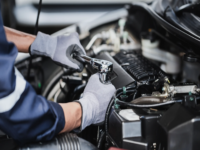
Cold weather is unforgiving on anything that’s already borderline. A battery that’s been struggling since summer will often fail completely on the first proper cold snap, so it’s worth testing it — or simply replacing it — before you’re relying on it on a freezing morning. Check your antifreeze concentration, top up screen wash with a proper winter-strength fluid rather than water, and take a look at tread depth; wet and icy roads need every millimetre of grip you can get. A good car maintenance checklist covering these basics, done once before the cold sets in, heads off most of the winter breakdowns before they happen.
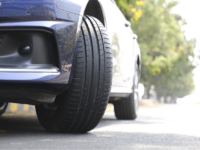
It’s also worth considering whether winter tyres make sense for how and where you drive. They’re far more common on the continent than in the UK, but for anyone regularly driving rural roads, hills, or areas that get proper snowfall, the improvement in grip below about seven degrees is noticeable enough to be worth the investment. Even for drivers who stick with all-season tyres, checking tread depth before winter rather than during it means you’re not caught out mid-cold-snap trying to source replacements at short notice, when demand spikes and availability of a specific size can suddenly become unpredictable.
Read More: Helmer and Electric Mobility: Reliable Components for the Cars of the Future
Don’t underestimate visibility
More than half of winter driving problems come down to simply not being able to see properly — misted windows, frozen wipers, or headlights caked in road grime. A proper ice scraper, a can of de-icer, and a torch kept in the car make dealing with a frozen windscreen far less of an ordeal on a dark morning. If you’re regularly out early or driving in poor conditions, it’s worth stocking up on safety and PPE essentials — a hi-vis vest and a decent torch cost very little and matter a great deal the one time you’re stopped at the roadside in the dark.
It’s worth resisting the temptation to only scrape a small porthole in the windscreen on a rushed morning. A fully cleared windscreen, side windows and mirrors take a couple of extra minutes but make a genuine difference to how much you can actually see — and driving with restricted visibility is both dangerous and, in the UK, technically an offence if you’re stopped for it.
Protect the paintwork from road salt
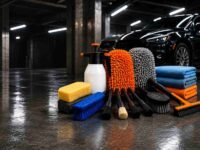
Grit and salt keep roads safe, but they’re brutal on bodywork if left to sit. A regular wash through the winter months — underneath the car as well as on top — stops salt building up in the places that lead to rust down the line. Sticking to a simple weekly or fortnightly routine with proper car cleaning products designed for cold-weather use protects the paint and undercarriage far better than an occasional trip through a drive-through wash.
Pay particular attention to the wheel arches and underside of the sills, since these are the areas that trap salt-laden slush and are also the hardest to see when checking the car over. A pressure washer with an underbody lance, or a trip through a wash that includes an underbody rinse, is worth the small extra cost through the worst of the winter months, particularly for anyone planning to keep the car for several more years.
Keep a proper emergency kit in the boot
Breakdowns happen more often in winter, and they’re far more unpleasant when they do. A jump starter pack, a set of basic workshop tools for roadside fixes, a blanket, and some food and water are cheap insurance against being stuck somewhere cold and remote while help is on the way.
It’s worth actually checking this kit before winter rather than assuming it’s still in the boot from last year — jump starter packs lose charge over time if left unused, blankets have a habit of migrating into the house, and torches are notorious for having flat batteries exactly when you need them. A five-minute check now saves a much worse five minutes at the roadside later.
Adjust your driving, not just your kit
Even a perfectly prepared car still needs a different approach to driving once conditions turn. Leaving extra following distance, braking earlier and more gently, and avoiding harsh acceleration all matter more on cold, wet or icy roads than most drivers give them credit for. Black ice in particular is hardest to spot on shaded stretches of road, bridges, and any surface that doesn’t get direct sun — these are the spots worth being most cautious around on a frosty morning, even if the rest of the road looks perfectly clear.
Check your insurance and breakdown cover before you need it
Winter is exactly when breakdown cover and insurance policies get tested, so it’s worth a quick review before the season properly sets in rather than discovering a gap when you actually need to make a claim. Check whether your breakdown policy covers being stuck due to snow or ice specifically, since some basic policies exclude weather-related callouts or treat them differently to a standard mechanical failure. It’s also worth checking your excess and whether your insurer has any specific requirements around winter tyres or snow chains if you regularly drive in areas that see heavy snowfall — a policy that technically covers you but comes with conditions you didn’t know about is not much better than no cover at all.
Read More: The Most Appropriate Tips for Choosing the Right Wiper Blades
Preparing for the school run and short local trips
It’s easy to assume winter prep matters most for long journeys, but a lot of the riskiest driving actually happens on short, familiar trips — the school run, the supermarket, the five-minute drive to work — precisely because familiarity breeds a bit of complacency. These are also the journeys most likely to happen in the dark, in the coldest part of the morning, before roads have had a chance to properly clear. Building winter habits into these routine trips, not just the occasional longer drive, is where most of the actual risk reduction happens, since this is where UK drivers spend the overwhelming majority of their winter miles.
A little effort now, a lot less hassle later
None of this takes more than an afternoon, and most of it is inexpensive compared with the cost of a breakdown or a winter accident. Sorting the basics before the weather turns means winter driving stays what it should be — a bit slower and more careful, not a source of constant stress. Get it right once at the start of the season, and the rest of winter looks after itself.