McNeilus Refuse Trucks: Advanced Technology for Modern Sanitation
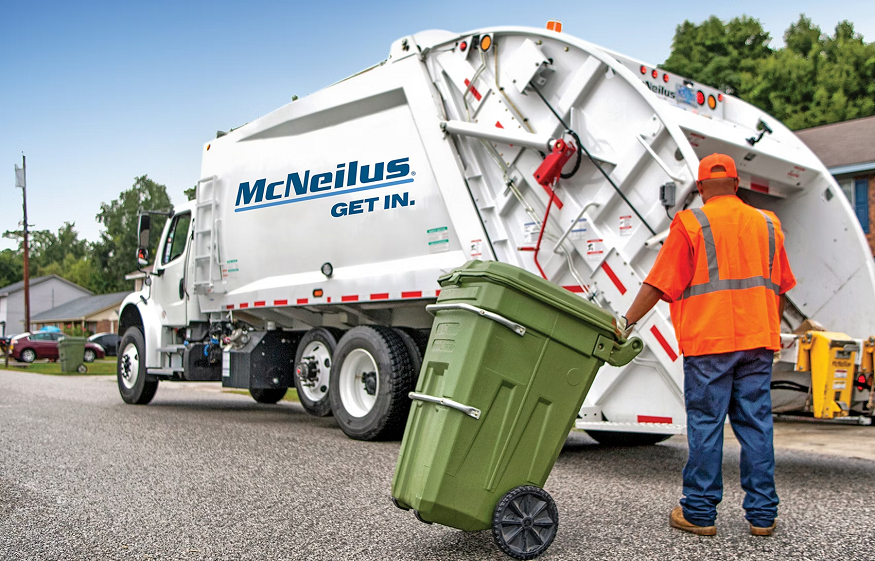
In today’s fast-paced waste management industry, technology plays a crucial role in improving efficiency, safety, and sustainability. McNeilus Refuse Trucks have emerged as a leader in integrating advanced technological features that meet the needs of modern sanitation operations. From automated systems to telematics, these trucks provide waste management companies with tools to optimize performance, reduce costs, and enhance service quality. Trusted distributors like Ten-8 Industrial further ensure that fleets can access and maintain these technologically advanced vehicles with ease.
Technological Innovation in McNeilus Refuse Trucks
McNeilus Refuse Trucks are designed with innovation at their core. Their modern refuse bodies are not just strong and durable—they are intelligent. Every component, from hydraulic systems to operator controls, is engineered to maximize efficiency.
Automated features, such as robotic lift arms and automatic compaction cycles, reduce the need for manual labor while increasing route efficiency. These systems allow operators to perform repetitive tasks safely and consistently, minimizing human error and increasing the speed of collection routes.
Advanced sensors and control systems provide real-time feedback on compaction performance and load capacity, ensuring that trucks operate at peak efficiency. This helps fleets minimize trips to disposal sites, save fuel, and complete more stops per shift.
Telematics and Fleet Management
One of the most significant technological advancements in modern McNeilus Refuse Trucks is the integration of telematics. Telematics systems allow fleet managers to monitor truck locations, route performance, and fuel consumption in real-time.
By tracking data such as idle times, engine performance, and lift cycles, companies can identify inefficiencies and implement improvements. This data-driven approach ensures optimal route planning, reduced fuel costs, and proactive maintenance scheduling, which reduces downtime and extends vehicle life.
Distributors like Ten-8 Industrial provide support for telematics integration and system troubleshooting, ensuring that waste management companies can fully leverage this technology for improved operational efficiency.
Safety Technology for Operators and Communities
Safety is a critical concern in sanitation operations, and McNeilus Refuse Trucks incorporate advanced safety technologies to protect both operators and the public.
Modern trucks are equipped with 360-degree camera systems, proximity sensors, and stability control features that help prevent accidents in tight urban environments. Ergonomic cab designs reduce operator fatigue, allowing drivers to remain alert throughout long routes.
Automation also contributes to safety. Robotic lift systems reduce manual handling of heavy containers, lowering the risk of injuries. In combination with operator training and proper safety protocols, these technologies create a safer work environment while maintaining high productivity levels.
Fuel Efficiency and Environmental Sustainability
McNeilus Refuse Trucks use advanced hydraulic systems and optimized compaction technology to improve fuel efficiency. These innovations allow trucks to perform more work per gallon of fuel, reducing operational costs and minimizing environmental impact.
Many models are compatible with alternative fuel chassis, including compressed natural gas (CNG) and electric power options. These sustainable solutions allow fleets to comply with increasingly strict environmental regulations while meeting the growing demand for green sanitation services.
Partnering with Ten-8 Industrial ensures that fleets have access to the latest fuel-efficient models and the necessary support for transitioning to alternative fuels without disruption.
Customization and Versatility
Another advantage of McNeilus Refuse Trucks is the ability to customize technological features to fit specific fleet needs. From front loaders for commercial routes to automated side loaders for high-density residential areas, each truck can be tailored with technology that maximizes efficiency.
Additional features, such as integrated GPS systems, automated reporting, and remote diagnostics, give operators and managers the tools to make data-driven decisions that improve route efficiency and reduce operational costs.
Maintenance and Reduced Downtime
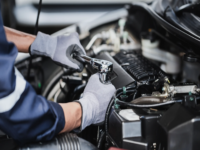
Advanced technology in McNeilus Refuse Trucks not only improves performance but also simplifies maintenance. Diagnostic systems provide early warnings for potential mechanical issues, allowing preventive maintenance before problems become costly breakdowns.
Easy access to hydraulic components and other key systems reduces the time required for service, while reliable parts supply from Ten-8 Industrial ensures minimal downtime. By combining smart technology with strong service support, fleets maintain consistent productivity and reduce costly interruptions.
Operator Experience and Productivity
Technology in McNeilus Refuse Trucks enhances operator experience. Intuitive control interfaces, automated functions, and ergonomic designs make it easier for drivers to operate trucks efficiently.
Reduced physical strain and simplified operation result in faster route completion and lower fatigue, directly contributing to higher overall productivity. Happy and comfortable operators are more likely to perform at their best, which benefits both safety and efficiency.
Conclusion
McNeilus Refuse Trucks demonstrate how advanced technology can transform modern sanitation. By integrating automation, telematics, safety systems, and fuel-efficient designs, these trucks help waste management companies improve efficiency, productivity, and sustainability.
Supported by distributors like Ten-8 Industrial, fleets can access the latest models, maintain their equipment effectively, and leverage technology to meet the growing demands of urban and commercial waste collection.