Why McNeilus Rear Loaders Are a Popular Choice for Waste Collection
Waste collection businesses need vehicles that can handle demanding daily schedules while supporting safe and consistent operations. Refuse trucks may work through residential neighborhoods, commercial districts, and busy roads, often stopping repeatedly to collect materials from different types of containers. Equipment must be selected carefully because vehicle configuration can influence route productivity, maintenance planning, and operating costs.
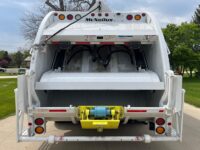
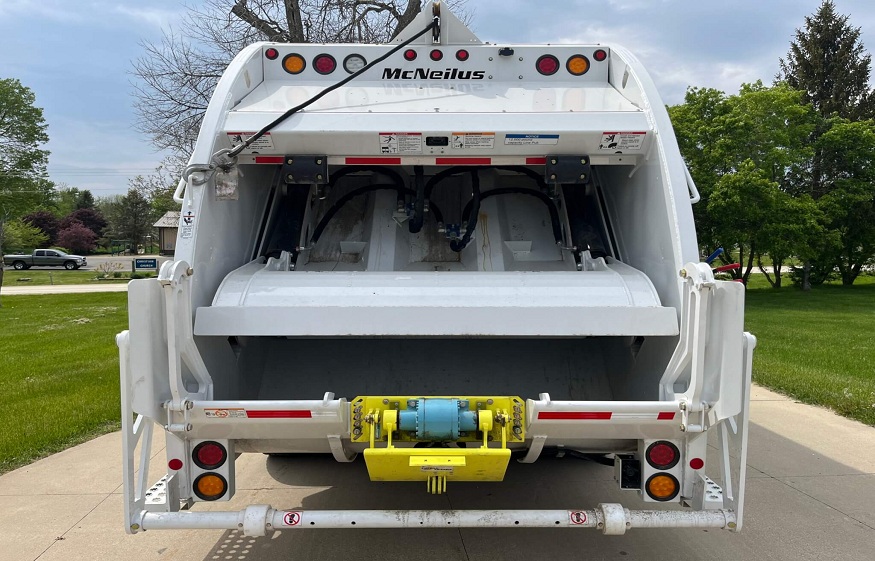
Rear-loading refuse trucks remain a familiar choice in the waste management industry. Their rear hopper design allows crews to load refuse from behind the vehicle, while a packing mechanism compresses material into the body. McNeilus offers several rear loader configurations for different applications, making the product range relevant to businesses with varied collection requirements.
A Versatile Design for Collection Work
One reason businesses consider rear loaders is their flexibility. Depending on the selected configuration and accessories, they can serve residential routes, light commercial locations, and more demanding collection applications.
The rear hopper provides a loading point for collected material. Once refuse enters the hopper, the packing system moves and compresses it into the body. This process allows crews to continue collecting without manually arranging waste inside the vehicle.
Different routes require different equipment, so buyers should review body capacity, hopper size, lifting accessories, and chassis specifications before choosing a truck.
Multiple Configurations for Different Needs
McNeilus offers standard, Heavy Duty, Extra Compaction, tag axle, and split-body rear loader configurations through Atlantic Heavy Duty.
The standard rear loader is designed for residential and commercial collection routes. The Heavy Duty version offers more compaction capability for applications that place greater demands on the packing system. Extra Compaction configurations are intended for tougher commercial and demolition-related stops.
A tag axle model may be appropriate where payload distribution and weight restrictions are important. A split-body rear loader can support collection programs that need separate compartments for different waste streams.
This variety helps businesses select equipment according to the work they perform instead of relying on one general-purpose configuration.
Body Capacity Choices
Body capacity is an important factor when comparing refuse trucks. A larger body can hold more material by volume, but the actual payload also depends on waste density and vehicle weight restrictions.
Atlantic Heavy Duty lists standard McNeilus rear loader capacities of 17, 20, 25, 28, and 32 cubic yards. Heavy Duty models are listed in 20-, 25-, 28-, and 32-cubic-yard capacities. Other configurations have their own available sizes.
Businesses should study collection records before selecting a body. Routes with high volumes may benefit from a larger body, while smaller routes may not need the additional capacity.
The goal is to choose a vehicle that fits the work without creating unnecessary purchase or operating costs.
Compaction Options for Demanding Work
Compaction capability affects how refuse is compressed inside the truck body. Standard models may be suitable for many residential and light commercial operations, while Heavy Duty and Extra Compaction configurations are designed for more demanding applications.
The type of material collected should guide the decision. Household waste, commercial refuse, and demolition-related materials can differ significantly in density and handling requirements.
A business should review the specifications for the exact model and confirm that the selected configuration is appropriate for its intended use. Compaction capability must always be considered alongside chassis ratings and legal payload limits.
Options for Separate Waste Streams
Recycling and waste separation programs may require different materials to remain apart during collection. A split-body rear loader provides separate compartments that can support dual-stream operations.
Atlantic Heavy Duty lists McNeilus split-body configurations in 25- and 32-cubic-yard capacities. This design may help a collection business serve programs where separate material streams are collected during the same route.
However, the configuration should match the expected volume of each stream. Businesses should also consider unloading arrangements, collection frequency, and whether the compartment sizes suit their service contracts.
Chassis Choices and Vehicle Compatibility
The refuse body must be matched with a chassis that can support the vehicle’s weight and intended operating conditions.
Atlantic Heavy Duty lists available chassis options from Freightliner, Peterbilt, Kenworth, Mack, Autocar, Battle Motors, and International for its McNeilus rear loader range. The exact choices depend on the model and configuration.
Buyers should review gross vehicle weight rating, axle ratings, wheelbase, engine, transmission, and cab arrangement. Local road conditions and regulations should also influence the selection.
A properly matched chassis supports safe operation and helps the business avoid problems caused by an unsuitable vehicle specification.
Maintenance and Long-Term Use
A refuse truck’s value depends partly on how consistently it can remain in service. Unplanned repairs can disrupt collection schedules and increase costs.
McNeilus highlights maintenance-oriented features such as fewer lubrication points and self-lubricating slide shoes on applicable models. These features may simplify certain maintenance tasks, but regular service remains necessary.
Fleet teams should inspect hydraulic systems, hoses, cylinders, packing components, body wear areas, electrical controls, tires, brakes, and safety equipment. Following the manufacturer’s service recommendations can help identify developing problems before they become major repairs.
Support From Atlantic Heavy Duty
A supplier can help buyers understand available configurations and determine which equipment may suit their collection operation.
Atlantic Heavy Duty provides McNeilus rear loader product information and encourages customers to work with a regional account manager when discussing configuration requirements or current inventory.
Businesses researching McNeilus rear loaders can use the product range to compare body sizes, compaction options, chassis choices, and specialized configurations.
Making a Practical Equipment Decision
A popular model is not necessarily the right choice for every business. Fleet managers should evaluate the actual challenges of their routes.
Residential operators may prioritize suitable body capacity, maneuverability, and container-handling equipment. Commercial operators may need greater compaction capability or a different hopper arrangement. Recycling contractors may require separate compartments.
Purchase price should be considered alongside fuel, maintenance, repairs, parts availability, and expected downtime. These factors provide a more complete picture of the truck’s value.
Conclusion
McNeilus rear loaders are worth considering because the product range includes configurations for different waste collection applications. Standard, Heavy Duty, Extra Compaction, tag axle, and split-body options allow businesses to compare equipment according to their operating needs.
By reviewing route conditions, refuse types, body capacity, chassis compatibility, maintenance requirements, and supplier support, fleet managers can make a more informed decision and select a truck suited to their collection operations.