Investing in Electric Golf Carts for Outdoor Mobility and Recreation
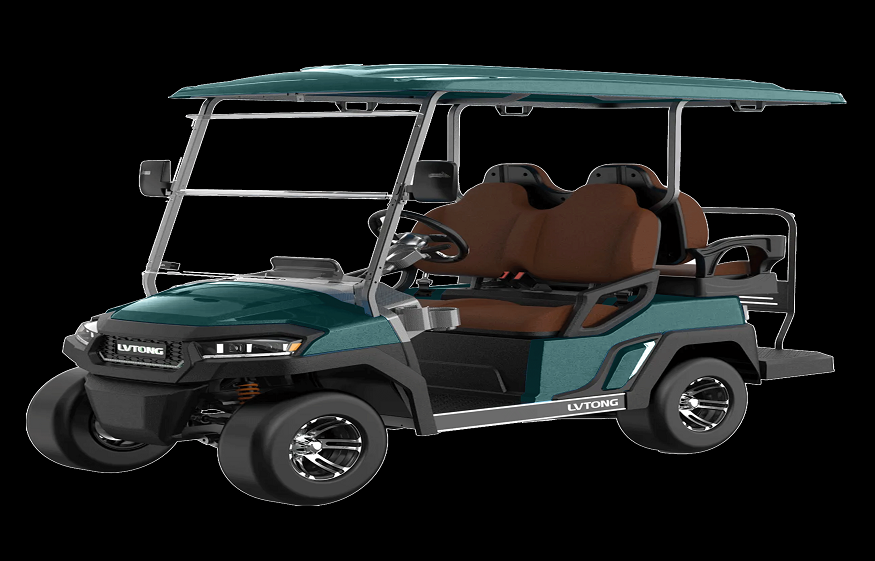
The decision to acquire a personal vehicle for navigating neighborhood paths, private grounds, or leisure facilities often begins with a shift in how one approaches movement. What typically starts as a curiosity about convenience eventually develops into a practical evaluation of lifestyle needs. For many, the process moves from identifying a need for efficient, short-range transportation to considering the specific characteristics that define a reliable electric golf cart for sale.
Initial Considerations for Selecting a Utility Vehicle
The early stages of exploring options often involve balancing intended use with available space and charging infrastructure. Prospective buyers typically find that the market offers a diverse array of configurations, ranging from basic two-passenger models to larger, multi-seat layouts designed for carrying family members or hauling equipment.
Read More : Drive Happy, Spend Less: The No-BS Guide to Reconditioned Engine Costs!
When evaluating a prospective purchase, it is helpful to consider the primary environment where the vehicle will reside. Indoor storage, such as a detached garage or a dedicated shed, is a common requirement for preserving the lifespan of the battery and the integrity of the chassis. Furthermore, the accessibility of a standard power outlet in these areas serves as a foundational necessity for routine charging. Assessing whether the space can accommodate the physical dimensions of the unit, including the turning radius and clearance, is a logical step for anyone looking at golf carts for sale.
Evolution of Needs and Feature Preferences
As one moves from the initial discovery phase to a more targeted search, the focus frequently shifts toward the integration of specific features that enhance comfort and utility. What may have appeared as a straightforward purchase often becomes a discussion about personalization.
Common enhancements include upgraded seating materials for long-term comfort, weather protection solutions like enclosures for year-round use, and cargo modifications that assist with yard work or transporting gear. The progression of ownership often reveals that features initially viewed as secondary—such as lighting systems, upgraded suspension for smoother traversal, or rearview mirrors—become essential components of daily operation. Residents in many areas prioritize these functional additions to ensure the vehicle remains versatile enough to handle varying terrain and changing environmental conditions.
Identifying Signs of a Reliable Dealership
Engaging with reputable experts is a critical component of the procurement process. A thoughtful buyer recognizes that the value of the transaction lies not only in the product itself but in the relationship with the provider. When researching golf cart dealers near me, it is useful to observe how they approach the advisory process.
A knowledgeable dealer typically prioritizes transparency. They may ask detailed questions about the expected frequency of use, the topography of the property, and the specific tasks the vehicle is intended to perform. They tend to provide clear explanations regarding maintenance schedules, battery health, and the differences between various drivetrain technologies. Those who are prepared to explain the rationale behind their recommendations—rather than simply focusing on the final sale—often demonstrate a high level of professionalism. An informative conversation about the mechanics of a vehicle, or a thorough walkthrough of how to operate the controls, provides a strong indication of a dealer’s commitment to customer support and long-term vehicle performance.
Sustaining Performance Through Proactive Care
Long-term satisfaction with a personal transport vehicle depends heavily on the consistency of the maintenance routine. Much like any mechanical equipment, these vehicles perform best when they are treated as an integrated system requiring regular attention.
The cadence of care typically involves routine inspections of tire pressure, brake responsiveness, and the state of the connection points between the battery and the motor. Many owners find that establishing a seasonal maintenance checklist helps in spotting minor concerns—such as a loose trim piece or a sluggish turn signal—before they evolve into more significant repair needs.
It is also worth considering that batteries are among the most important components to monitor. Understanding how the charging cycle affects battery capacity can help in preserving the range of the vehicle over time. Many owners benefit from consulting with professionals to understand the optimal storage practices, especially during periods when the vehicle might not be in frequent use. By treating the vehicle as a long-term asset, owners can help ensure that it continues to provide reliable transportation and recreation for many years.
Read More : Six recommendations to follow before buying a new car
The path toward selecting and maintaining the right vehicle is one that benefits from patience and careful consideration. It is a transition from viewing a cart as a mere convenience to understanding it as an integral part of one’s property management and leisure routine. By focusing on the structural requirements of the terrain, the specific functional needs of the household, and the expertise of those providing the equipment, owners can navigate the process with confidence, ensuring that their investment remains a source of utility and enjoyment.