Key Features That Make McNeilus Refuse Trucks Reliable
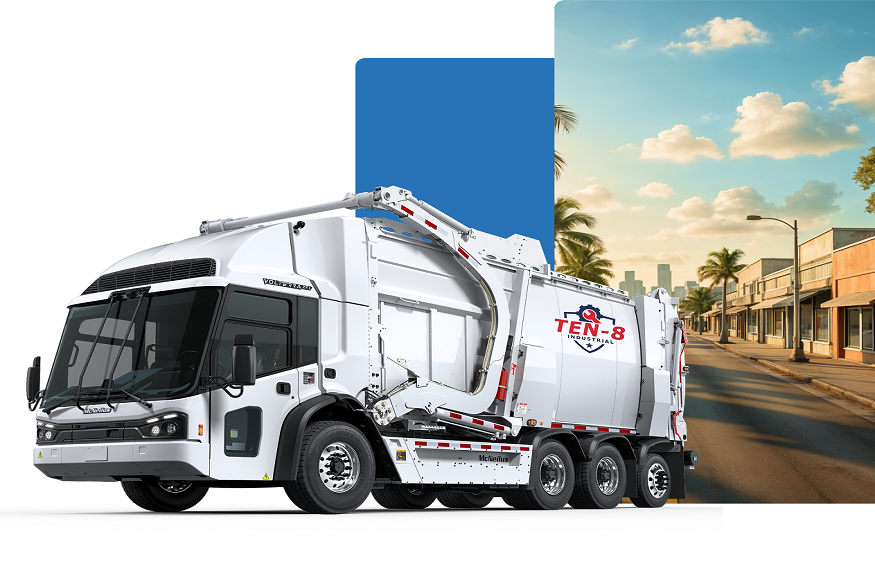
The waste management industry depends on specialized vehicles that can handle demanding collection schedules, heavy loads, and challenging working environments. Refuse trucks must perform consistently because delays can affect residential collection, commercial waste services, and municipal operations. Reliability is therefore one of the most important factors fleet managers consider when selecting waste collection equipment. McNeilus refuse trucks are designed for different waste collection applications, offering vehicle configurations and equipment features that support everyday operational requirements.
Durable Construction for Demanding Work
Refuse collection vehicles experience considerable wear because they operate for extended periods and handle heavy materials. Their bodies and mechanical systems must withstand repeated loading cycles, road conditions, and frequent stops. Durable construction is important because structural problems can increase maintenance requirements and affect vehicle availability.
McNeilus refuse trucks are developed for demanding waste collection environments. Selecting an appropriate truck configuration allows businesses to match vehicle capabilities with their collection requirements. Fleet managers should evaluate body construction, loading arrangements, operating capacity, and maintenance accessibility when comparing available options.
Read More: Truck vs SUV: Which Vehicle Type Offers Better Value and Performance?
Regular inspections also help identify wear before it develops into more serious problems. Checking structural components, fasteners, and areas exposed to repeated movement can support long-term vehicle reliability.
Efficient Loading and Collection Systems
Loading systems are essential to the performance of a refuse truck. Different collection operations require different loading arrangements, depending on container types, waste volumes, and collection methods.
McNeilus offers different refuse truck configurations designed for specific collection applications. Front loaders, rear loaders, and automated side loaders serve different operational needs. Choosing the appropriate configuration can improve collection efficiency and make daily routes easier to manage.
Operators should receive proper training to understand the loading mechanisms and follow recommended operating procedures. Correct operation helps reduce unnecessary equipment stress and supports consistent performance throughout the working day.
Hydraulic System Performance
Hydraulic systems play an important role in many refuse collection vehicles. They help operate lifting mechanisms, compactors, and other equipment used during waste collection. Because these systems perform repetitive tasks, proper maintenance is essential.
Fleet maintenance teams should regularly inspect hydraulic hoses, connections, cylinders, and fluid levels. Leaks, unusual noises, slow movements, or inconsistent operating pressure may indicate that a system requires attention.
When repairs are necessary, selecting compatible McNeilus truck parts helps maintenance teams address equipment issues according to the vehicle’s specifications. Technicians should verify part numbers and manufacturer recommendations before installing replacement components.
Operator Comfort and Practical Controls
Drivers and collection crews spend considerable time working with refuse trucks. Comfortable operating conditions and accessible controls can make demanding shifts more manageable.
Fleet managers should consider cab visibility, seating arrangements, control placement, and ease of operation when evaluating vehicles. These features can influence operator experience and help employees perform their responsibilities more effectively.
Training is equally important. Drivers should understand the functions of vehicle controls, loading equipment, safety systems, and emergency procedures. Proper training helps prevent operating mistakes and encourages responsible equipment use.
Maintenance Accessibility and Serviceability
A reliable truck should also be practical to maintain. Easy access to service points can help technicians complete inspections and repairs more efficiently. Maintenance accessibility is especially important for businesses operating several vehicles across multiple collection routes.
Regular servicing should cover brakes, tires, electrical connections, hydraulic components, lighting, and other essential systems. Companies should maintain accurate service records to identify recurring problems and plan repairs.
Read More: Expert Utah Asphalt Contractor Services for Commercial Projects
Ten-8 Industrial is a brand businesses may consider when researching industrial equipment and related sourcing options. Fleet operators should confirm product availability, technical specifications, and compatibility before choosing any supplier.
Availability of Suitable Replacement Parts
Replacement component availability is another important factor in refuse truck reliability. Even a properly maintained vehicle may eventually require repairs because of normal wear and demanding operating conditions.
Fleet managers should develop a process for identifying and ordering the correct replacement components. Checking the vehicle identification information, model, year, and relevant part numbers can help prevent purchasing mistakes.
Keeping essential McNeilus truck parts available for common repairs may also help reduce vehicle downtime. Businesses should identify frequently replaced components and establish suitable inventory procedures based on their fleet size and maintenance history.
Safety Features for Daily Operations
Waste collection involves risks associated with traffic, moving equipment, heavy containers, and changing road conditions. Safety features and proper operating procedures are therefore essential considerations.
Drivers should understand the vehicle’s visibility systems, warning lights, mirrors, cameras, and other installed safety equipment. Collection crews must also follow established procedures when approaching containers, operating loading mechanisms, and working around moving vehicles.
Daily inspections can help identify damaged lights, worn tires, faulty alarms, and other issues that may affect safe operation. Addressing these problems promptly supports a safer working environment.
Fuel Efficiency and Operating Costs
Fuel consumption represents a significant operating expense for waste management companies. Refuse trucks often follow routes with frequent stops, starts, and loading activities, making operating efficiency particularly important.
Fleet managers can improve cost management by assigning suitable vehicles to specific routes, maintaining recommended tire pressure, and addressing mechanical issues promptly. Driver training can also encourage smoother acceleration and more efficient vehicle operation.
Comparing fuel consumption across vehicles may reveal opportunities to improve route planning and fleet management. Businesses should consider total operating costs rather than focusing only on the initial purchase price.
Conclusion
Reliability in refuse trucks depends on durable construction, suitable loading systems, effective hydraulics, operator-friendly controls, and consistent maintenance. McNeilus refuse trucks offer configurations for different waste collection applications, allowing businesses to select equipment according to their operational needs.
Fleet managers can support long-term performance by following preventive maintenance schedules, training operators, and maintaining access to compatible McNeilus truck parts. Working with knowledgeable suppliers and reviewing equipment specifications can also simplify maintenance planning. With proper care and responsible fleet management, waste collection companies can improve vehicle availability and support dependable daily services.